Optimal Timing for Seasonal Lawn Seeding
Seasonal lawn seedings are most effective when performed during specific times of the year to ensure optimal germination and healthy growth. Timing varies based on regional climate and grass type, but generally, early spring and early fall are considered ideal periods for seeding. Proper timing can significantly influence the success rate of establishing a lush, resilient lawn.
Ideal for cool-season grasses, early spring allows grass to establish before the heat of summer. Soil temperatures should reach at least 50°F for optimal germination.
Best for cool-season grasses, early fall provides cooler temperatures and increased moisture, promoting healthy root development before winter dormancy.
Generally discouraged due to high temperatures and drought stress, unless irrigation is available and temperatures are moderate.
Suitable in milder climates, when soil remains workable and temperatures are cool, but before the first frost.
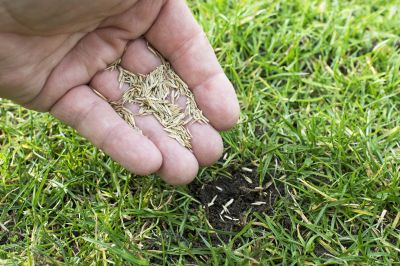
Early spring conditions promote healthy grass establishment.
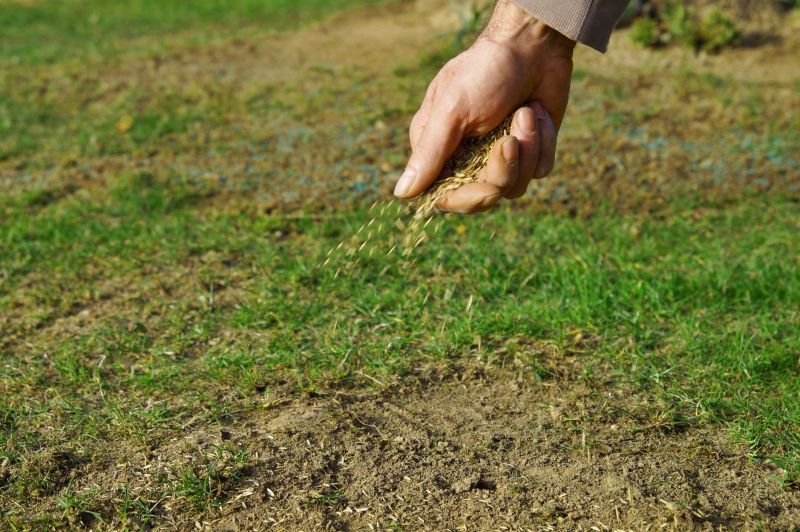
Optimal for establishing cool-season grasses.
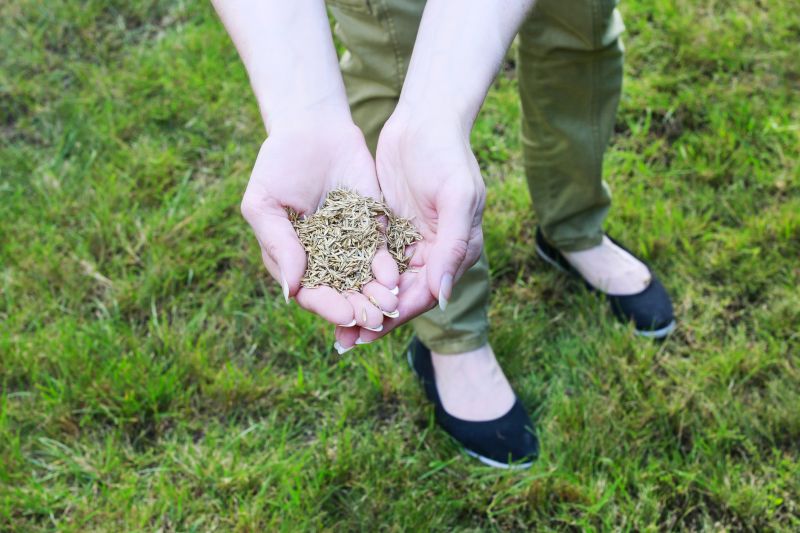
Less recommended due to heat stress.
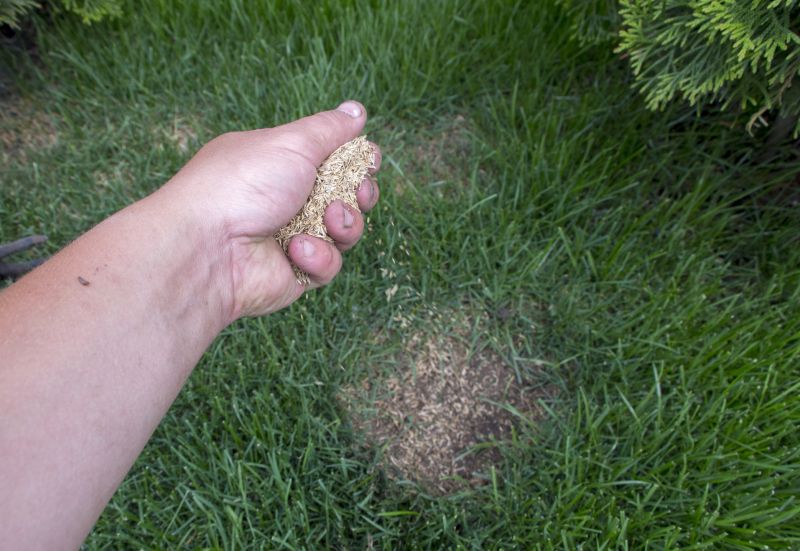
Ways to make Seasonal Lawn Seedings work in tight or awkward layouts.
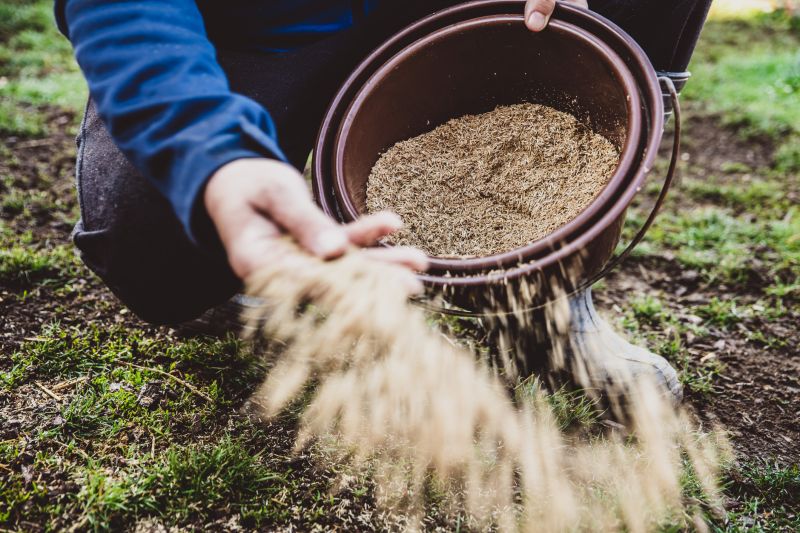
Popular materials for Seasonal Lawn Seedings and why they hold up over time.
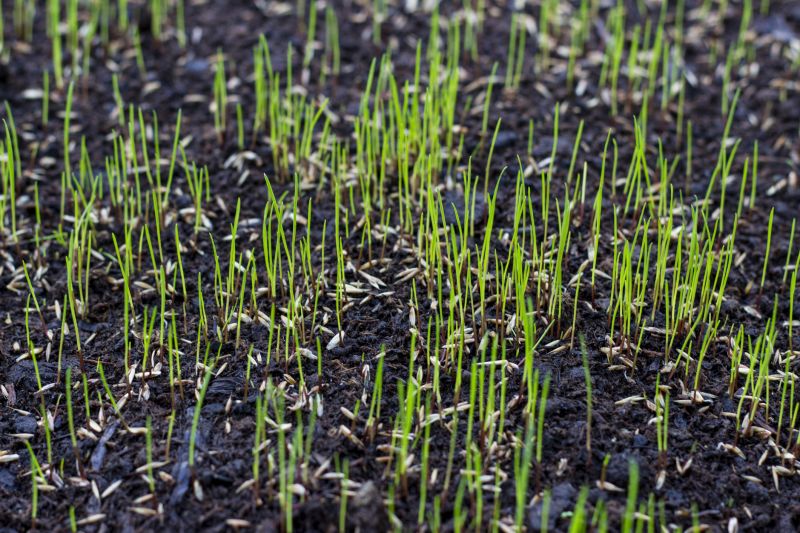
Simple add-ons that improve Seasonal Lawn Seedings without blowing the budget.
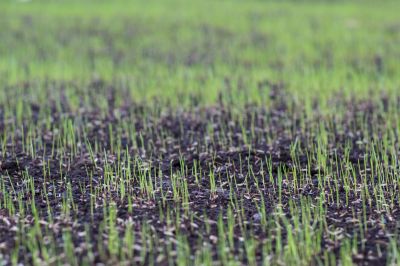
High-end options that actually feel worth it for Seasonal Lawn Seedings.
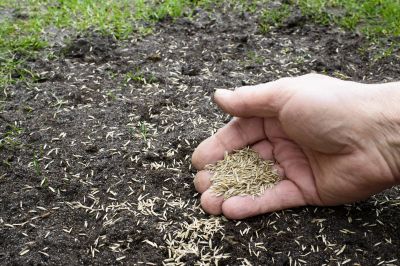
Finishes and colors that play nicely with Seasonal Lawn Seedings.
Timing for lawn seedings is crucial for achieving a dense, healthy turf. Spring and fall offer the most favorable conditions, with soil temperatures and moisture levels supporting seed germination and growth. Proper preparation, including soil testing and aeration, can further enhance seeding success. Understanding regional climate patterns helps determine the most suitable window for seeding activities.
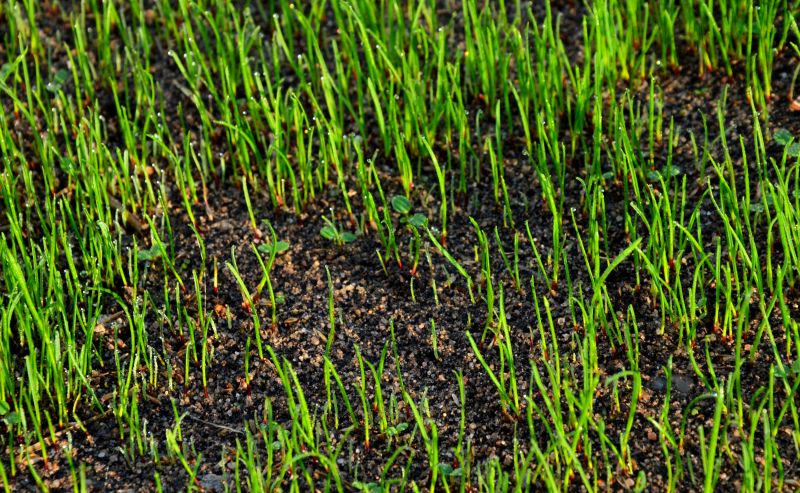
Promotes early establishment before summer heat.
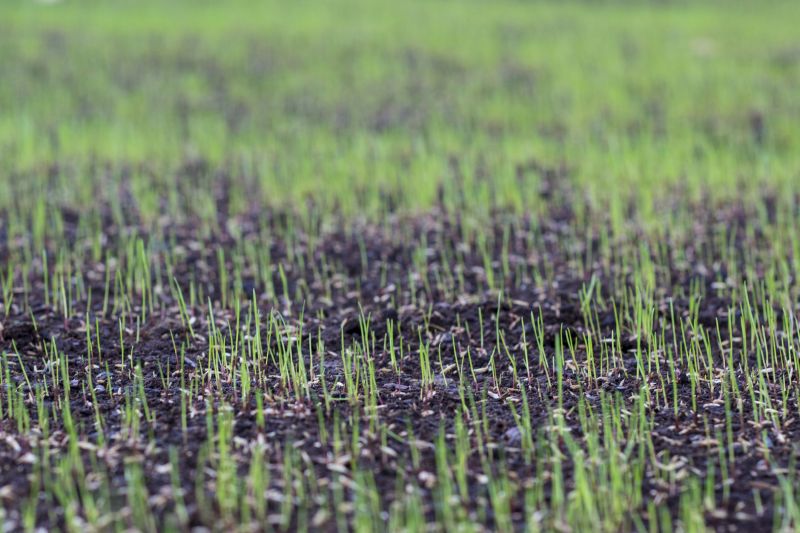
Supports root growth and winter prep.
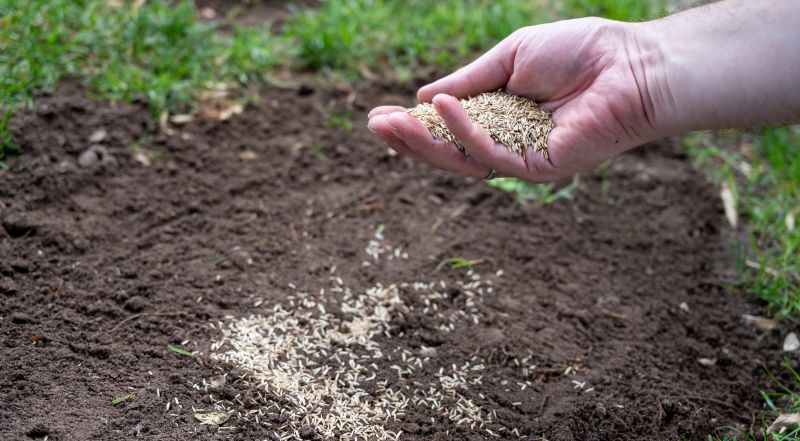
Ensures good seed-to-soil contact for better germination.
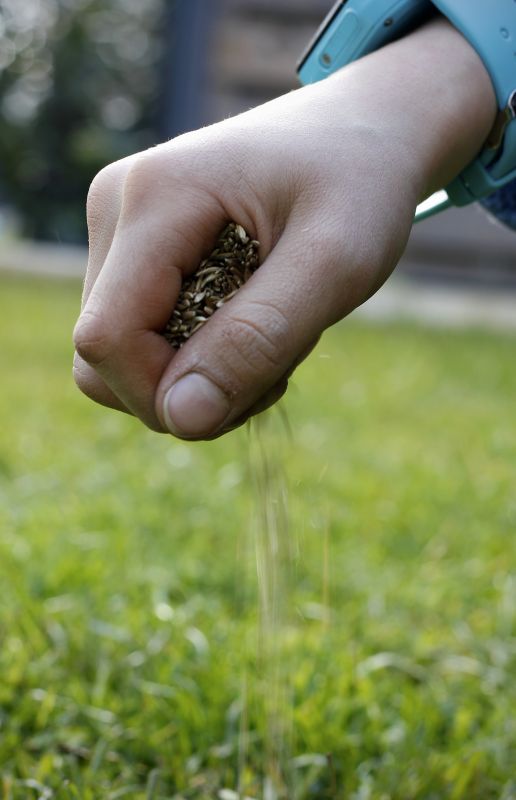
Requires consistent moisture and moderate temperatures.
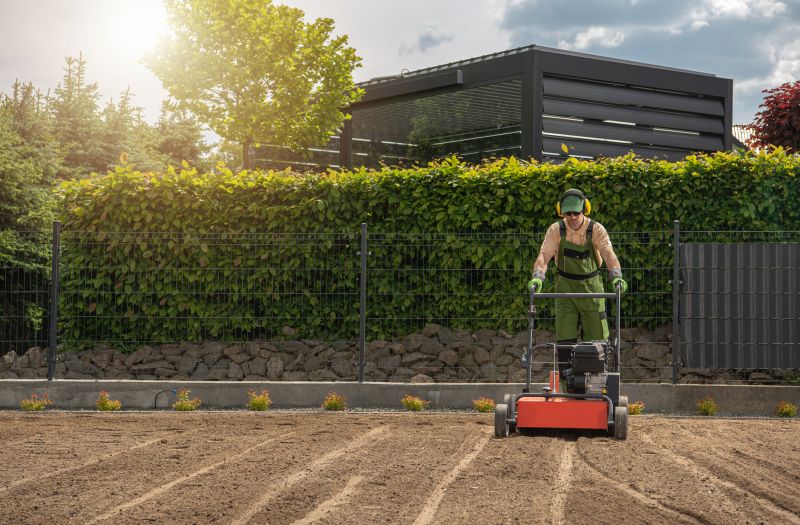
Little measurements that prevent headaches on Seasonal Lawn Seedings day.
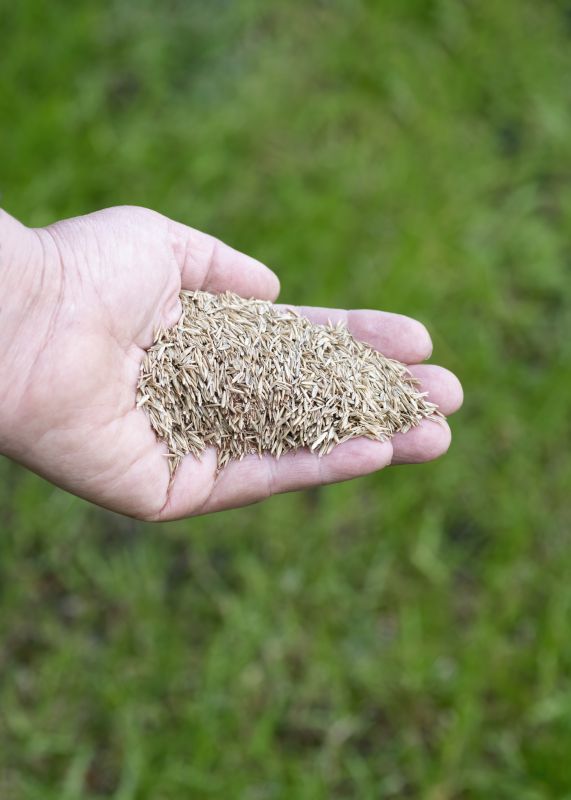
A 60-second routine that keeps Seasonal Lawn Seedings looking new.
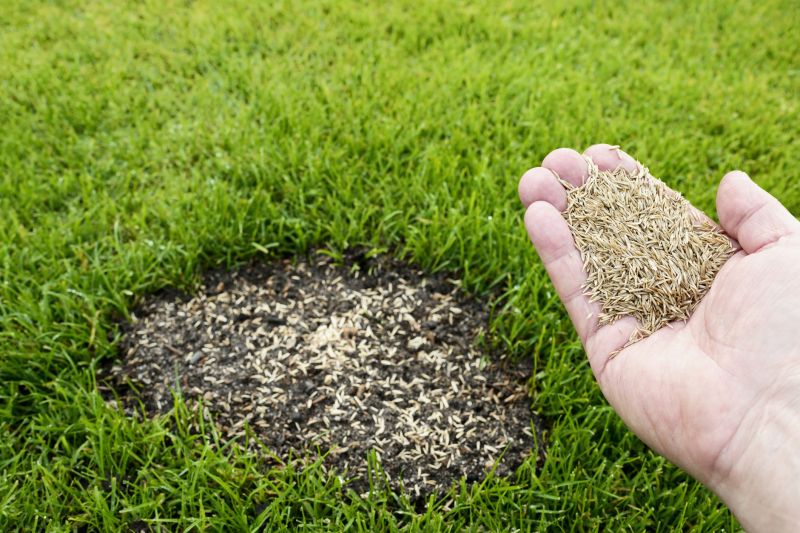
A frequent mistake in Seasonal Lawn Seedings and how to dodge it.
Small tweaks to make Seasonal Lawn Seedings safer and easier to use.
| Season | Recommended Timing |
|---|---|
| Spring | Early spring when soil warms to at least 50°F |
| Fall | Early fall before the first frost |
| Summer | Generally not recommended unless conditions are ideal |
| Late Fall | In milder climates, before winter dormancy |
| Regional Variations | Consult local planting guides |
Choosing the right time for lawn seedings depends on local climate, grass type, and soil conditions. Proper timing enhances seed germination, reduces erosion, and promotes a resilient lawn. Monitoring weather patterns and soil temperatures can help determine the optimal window for seeding activities.
Interested in scheduling a seasonal lawn seeding? Filling out the contact form provides an opportunity to discuss suitable timing and specific lawn needs, ensuring the best results for establishing or revitalizing a lawn.